





A structured approach to
workflow improvement
Workflow challenges rarely originate from a single system or process. The work typically begins by understanding how information, responsibilities and activities move through the organization before improvements are designed and implemented.
Analyze
Understand the current workflow, identify bottlenecks and clarify how work moves through the organization.

Optimize
Improve processes, pipeline structures and operational workflows where friction occurs.

Implement
Configure systems and automation to support the workflow and operating model.
Three ways to improve
Workflow Performance
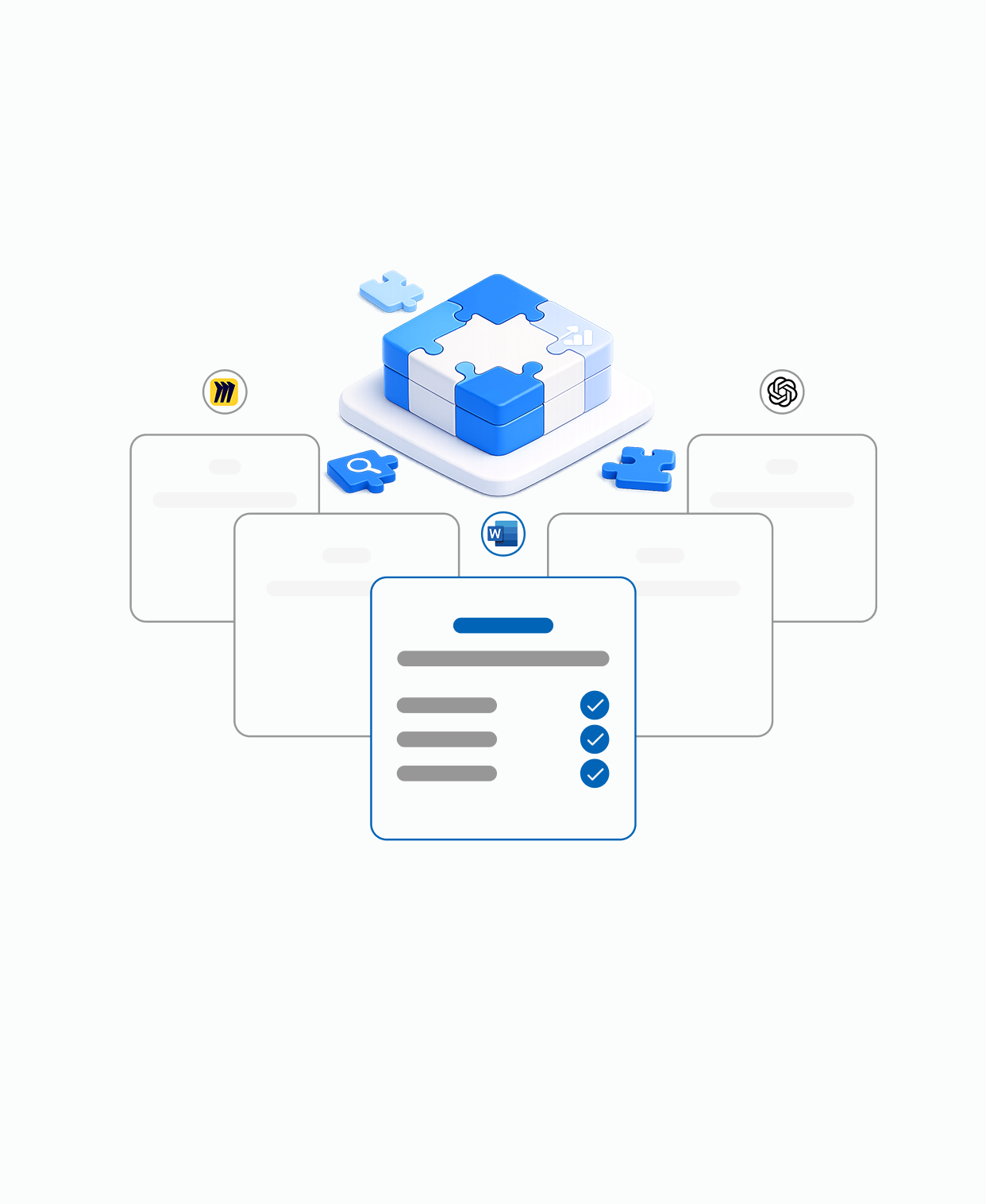
Workflow Diagnosis
Understand how work actually flows today and identify where friction, bottlenecks and inconsistencies occur.
-
 Workflow analysis
-
Process mapping
-
Bottleneck identification
-
Prioritized recommendations
-
Define the next steps
CRM Pipeline Fix
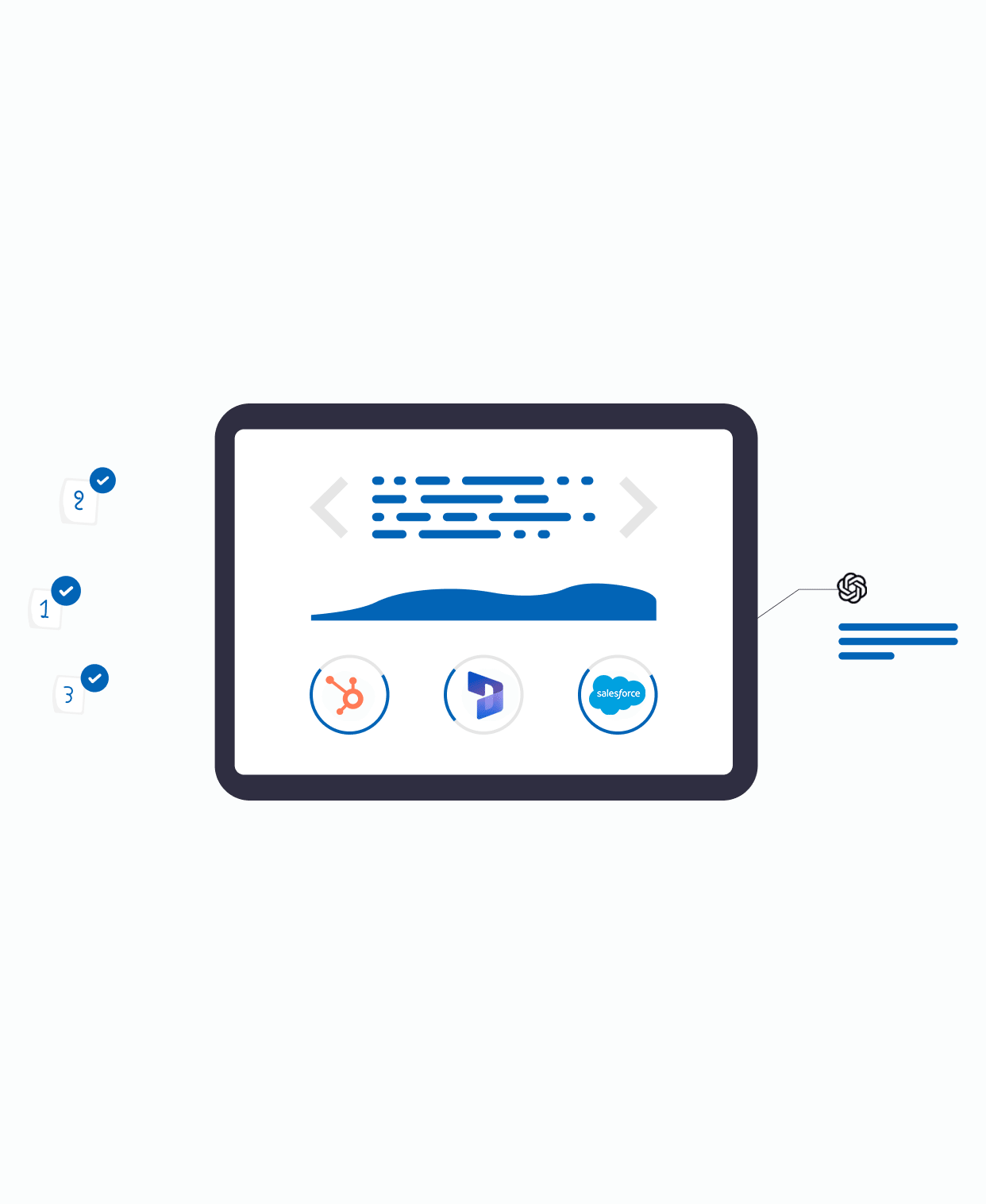
Improve how opportunities move through the sales process and ensure the pipeline reflects operational reality.
-
Pipeline review
-
Stage design
-
Process alignment
-
Forecast reliability
HubSpot Systems
Configure HubSpot around operational workflows so that processes and systems work together.
-
Pipeline structure
-
Properties
-
Automation
-
Reporting

Workflow Advisory & Optimization
Continue improving workflows, processes and systems as the organization evolves.
-
Advisory sessions
-
Workflow reviews
-
Process improvements
-
Pipeline optimization
-
Follow-up support
-
HubSpot guidance
-
Reporting improvements
-
Automation recommendations

A broad background. A practical objective.
Over the past decade, the work has involved business development, process improvement, CRM systems, workflow design, digital transformation and operational improvement across a range of industries and company sizes.
While the projects have varied, the underlying challenge has often been similar: understanding how work actually moves through an organization and creating structures that support consistent execution.
Workflow Architecture often connects to broader business initiatives
Examples of deliveries:
-
Business process mapping
-
CRM optimization
-
Digital transformation
-
Business architecture
-
Operational improvement

How initiatives typically evolve
"Recurring operational problems were appearing across multiple departments. The analysis revealed that responsibilities, handovers and process ownership were not clearly defined."

"The CRM system contained large amounts of data, but reporting and forecasts could not be trusted. The review showed that pipeline stages were being interpreted differently across the sales team."
"Several automation workflows had been implemented over time, but the results remained inconsistent. The assessment found that the underlying workflow had never been formally designed."